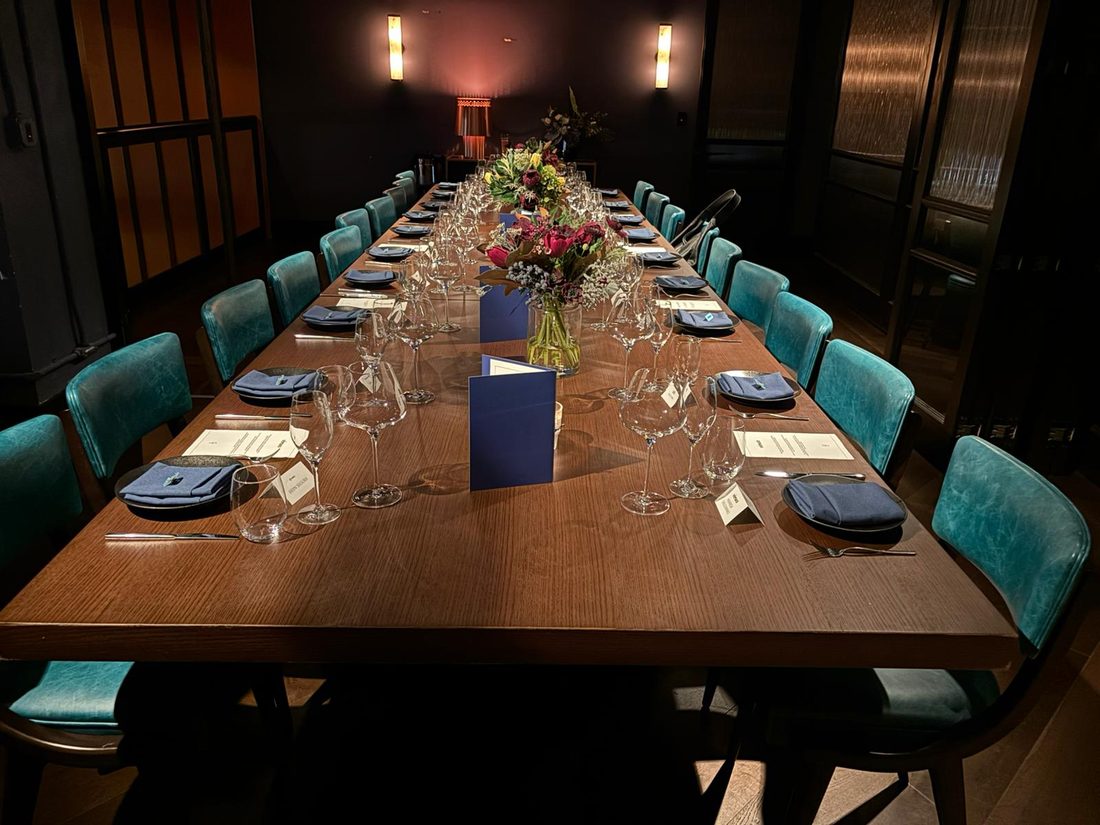
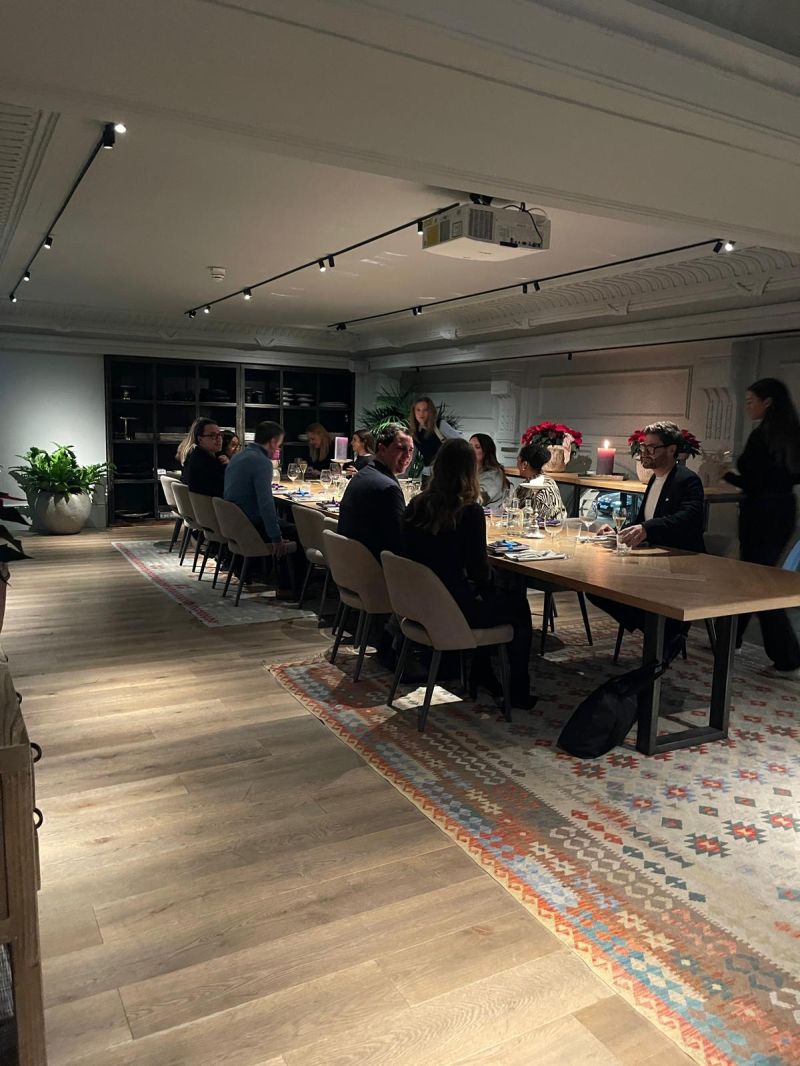
What is the difference between event marketing services and event management services?
Event management services handle logistics: venue, catering, AV and registration. Event marketing services also decide who should be in the room, how to get them there, what the conversation needs to achieve and what happens afterwards. ConvergeX delivers both layers, but the marketing layer is where pipeline comes from.
Is delegate acquisition included, or do we supply the list?
It is included, and you do not supply the list. You supply the target accounts and the personas. We run the acquisition campaign against them: outreach by phone, LinkedIn and email written per person, individual qualification, and reconfirmation in the days before the event. There is no open registration page, because a registration page fills a room with whoever happens to click.
How much does a single event cost?
A single ConvergeX event typically falls between $10,000 and $50,000 USD. The range is wide because the variables are: audience seniority, how hard that audience is to reach, the city, the format, the number of seats and how much of the follow up we own. A virtual panel sits at the lower end and a CXO dinner in a major metro sits at the top. Multi quarter field programmes are scoped separately as a quarterly retainer.
The fee covers all six delivery layers, including venue and logistics. There is no separate event management charge on top.
Who moderates the discussion?
It depends on the format. Keven Richards, our Chief Customer Officer, moderates every ConvergeX virtual panel personally. At dinners, one of six named members of our senior team is on site to host the room: our CEO and Founder, our Chief Operating Officer, our Chief Customer Officer, our Head of Events or one of our two Heads of Delegates. Either way you get a principal rather than a junior coordinator working from a run sheet.
Moderation includes writing the question set for that specific event, setting the Chatham House Rule at the top, and managing airtime so quieter guests contribute and nobody drifts into a pitch.
The customer title is deliberate. He is accountable for the experience of the attendees as well as the outcome for the client, and the two are the same problem. Guests who feel sold to do not come back, do not speak candidly and do not take the follow up call. Protecting the quality of the room is what makes it commercially worth running.
Do you handle the venue and the logistics too?
Yes, and it is not a separate line item. We shortlist and contract the room, handle deposits and supplier liaison, agree the run of show and timings, choose the menu and wine, manage arrivals and seating on the night, and settle the bill. We pick rooms on three criteria: privacy, acoustics and whether a busy executive can reach it easily after work.
How do you handle dietary requirements and attendee preferences?
Preferences are captured at the point each guest confirms, not chased on the day. That covers dietary requirements, allergies and alcohol preferences, plus any accessibility needs, which we check against the venue before it is booked. The seating plan is then built around who should meet whom rather than alphabetically, and names, titles and companies are verified before place cards are printed.
When should we run a micro dinner instead of a full executive dinner?
The deciding factor is how many genuinely senior, genuinely relevant buyers exist in that market, not how many seats you would like to fill. In a large metro you can usually assemble twelve to fifteen of the right people without compromising. In a smaller city you often cannot, and the last few seats end up going to whoever accepted rather than whoever mattered. At that point a micro dinner of six to ten is the better event.
Micro dinners also carry a shorter runway and a lower total cost, which makes them a sensible way to test a new market before you commit to a full programme there.
How do virtual panels differ from webinars?
A webinar is a broadcast that anyone can register for. A virtual panel is a moderated discussion designed to host a specific, invited set of people, usually six to eight participants. The delegate acquisition works the same way it does for a dinner. Moderation matters more rather than less, because a screen punishes a slack conversation. Panels work as standalone campaigns or as a cheaper way to warm a market before you commit to an in person event there.
How is event marketing different from field marketing?
Field marketing is the broader discipline of regional, account focused go to market activity. Events are one of its main channels. For the full distinction, read our breakdown of field marketing vs event marketing vs demand generation.
How far ahead do we need to plan?
Six to eight weeks is usually enough for a full executive dinner, and four to six for a micro dinner or a virtual panel. The constraint is rarely the venue. It is the time needed to earn the attendance of busy, senior people, which is the part that cannot be rushed without showing.
Do you run single events or only ongoing programmes?
Both. A single executive dinner or micro dinner works as a focused pipeline play, and most client relationships start that way. Clients typically move to a quarterly field programme once the first format proves out.
Which regions do your event marketing services cover?
NAMER, EMEA and APAC. Programmes can run in a single city or as a coordinated series across regions, with consistent messaging and one point of accountability throughout.
/CXC_webpage_logo_header-3.png?width=278&height=69&name=CXC_webpage_logo_header-3.png "CXC_webpage_logo_header-3")





/logo_ZM_wordmark_bloom-RGB.png)